
Winter Wellness: A Holistic Guide to Supporting Your Health During the Colder Months
Discover how nutrition, lifestyle choices, herbal wellness and everyday habits can help you maintain a balanced approach to wellbeing throughout winter.
Understanding Seasonal Changes and Your Wellbeing
Winter in Ireland brings shorter days, colder temperatures and often more time spent indoors. These seasonal changes can influence our daily routines, activity levels, eating habits and general sense of wellbeing.
For some people, the colder months mean less time outdoors and reduced exposure to natural daylight. Others may find it more difficult to maintain their usual exercise routines or make time for relaxation.
Being mindful of these changes is an important first step towards maintaining a balanced lifestyle.
Rather than waiting until you feel run down, winter can be an ideal time to review your everyday habits and consider what adjustments might help you feel your best.
Winter Nutrition: Nourishing Your Body During the Colder Months
A balanced diet remains important throughout the year, but winter provides an opportunity to enjoy a variety of nourishing, seasonal foods.
When temperatures drop, many people naturally gravitate towards warm, comforting meals. Soups, vegetable stews, whole grains and cooked vegetables can all form part of a varied and balanced diet.
Consider including:
-
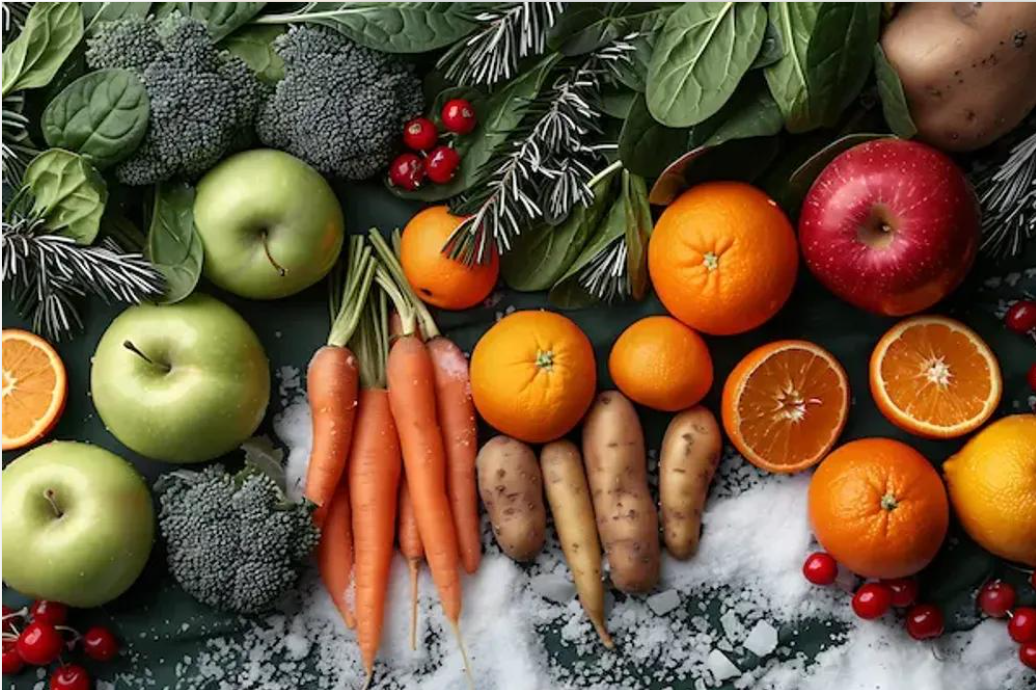
Colourful vegetables: Carrots, broccoli, spinach, kale and sweet potatoes provide a variety of nutrients.
-
Fresh fruit: Oranges, berries, apples and kiwis contribute vitamins, minerals and dietary fibre.
-
Whole grains: Oats, brown rice and wholegrain bread provide fibre and energy.
-
Protein sources: Eggs, fish, chicken, beans and lentils help provide essential nutrients.
-
Healthy fats: Nuts, seeds, olive oil and oily fish contribute beneficial fats.
Try to include a variety of foods rather than relying on one particular ingredient or food group.
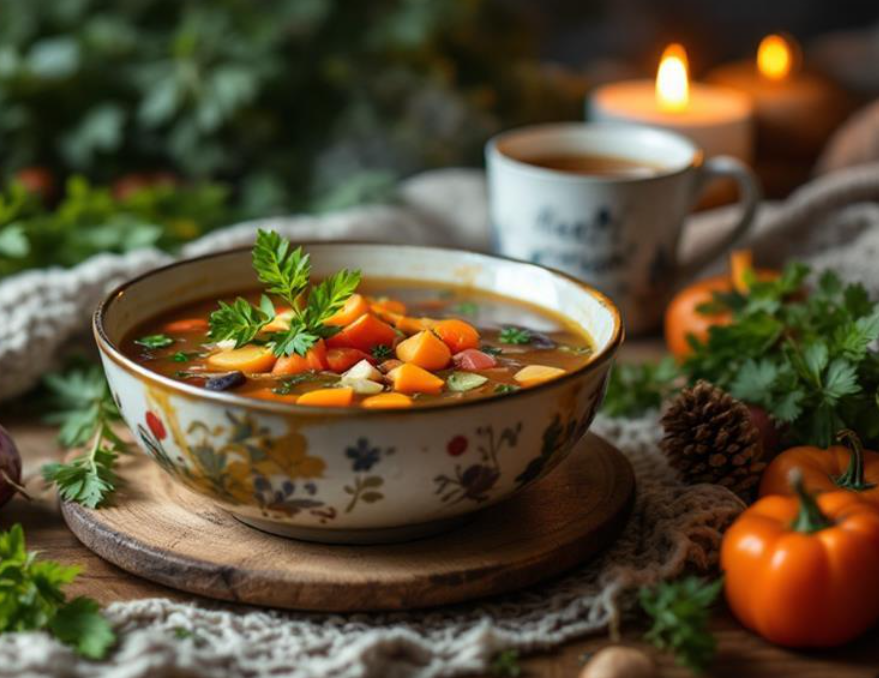
A warm homemade vegetable soup, for example, can be a simple way to enjoy several vegetables in one meal.
Remember, good nutrition is not about following restrictive diets or searching for one miracle ingredient. It is about creating balanced eating habits that are realistic and sustainable.
Vitamin C, Vitamin D and Essential Nutrients During Winter
Vitamins and minerals play important roles in maintaining normal bodily functions. During winter, two nutrients that often receive particular attention are vitamin C and vitamin D.
Understanding their roles, dietary sources and how supplementation may fit into an individual's nutritional routine can help you make more informed wellness choices.
Vitamin C – Supporting Everyday Wellness
Vitamin C is an essential nutrient that contributes to:
- The normal functioning of the immune system.
- The protection of cells from oxidative stress.
- Normal collagen formation for the normal functioning of skin, bones and blood vessels.
- Normal energy-yielding metabolism.
- The reduction of tiredness and fatigue.
Good dietary sources of vitamin C include:
- Oranges and other citrus fruits.
- Kiwi fruit.
- Strawberries.
- Red and green peppers.
- Broccoli.
- Brussels sprouts.
A balanced diet is an important foundation for obtaining vitamin C.

Exploring MARNYS® VIT-C 1000 Liposomal Vitamin C
For those interested in exploring vitamin C supplementation, Patrick Murphy Herbal Clinic offers MARNYS® VIT-C 1000 Liposomal Vitamin C.
This product uses liposomal technology to deliver vitamin C in a convenient supplement format.
Vitamin C can be a useful nutrient to consider as part of an overall balanced nutritional routine, particularly when reviewing your dietary intake and individual nutritional requirements.
Discover MARNYS® VIT-C 1000 Liposomal Vitamin C through Patrick Murphy Herbal Clinic.

Vitamin D – An Important Nutrient During Irish Winters
Vitamin D deserves particular attention in Ireland.
The body can produce vitamin D through exposure to sunlight on the skin. However, between October and early March, sunlight in Ireland is not strong enough for the body to produce sufficient vitamin D this way.
Vitamin D contributes to:
-
The normal functioning of the immune system.
-
The maintenance of normal bones and teeth.
-
Normal muscle function.
-
The normal absorption and utilisation of calcium and phosphorus.
-
The maintenance of normal blood calcium levels.
Dietary sources include oily fish, egg yolks and foods fortified with vitamin D.
However, obtaining sufficient vitamin D from food alone can be challenging, which is why supplementation guidance is particularly relevant during the Irish winter.
Exploring MARNYS® Vitamin D Liquid 2000 IU VITAHELP
For those looking to learn more about vitamin D supplementation, Patrick Murphy Herbal Clinic offers MARNYS® Vitamin D Liquid 2000 IU VITAHELP.
This liquid vitamin D supplement provides another option to explore when considering vitamin D as part of your nutritional routine.
Vitamin D requirements vary according to age, diet, lifestyle and individual circumstances. A 2000 IU product is not necessarily suitable for everyone, so it is important to check the product instructions and seek professional advice about suitability before use.
Why Nutritional Balance Matters
Although vitamins and minerals are important, taking more does not automatically mean better results.
Supplements should be considered in the context of your diet, lifestyle and individual nutritional requirements.
Before introducing new supplements, consider your existing intake, medications and any relevant health circumstances.
The Importance of Sleep and Rest
During busy periods, sleep is often one of the first things people overlook.
However, quality sleep is an important part of maintaining overall wellbeing. It supports normal physical and mental functioning and provides time for the body to rest and recover.
Winter can be a good opportunity to establish a more consistent sleep routine.
Some simple habits to consider include:
-
Aim to go to bed and wake up at consistent times.
-
Reduce screen exposure before bedtime.
-
Keep your bedroom comfortable and suitable for sleeping.
-
Avoid excessive caffeine late in the day.
-
Allow yourself time to relax before going to bed.
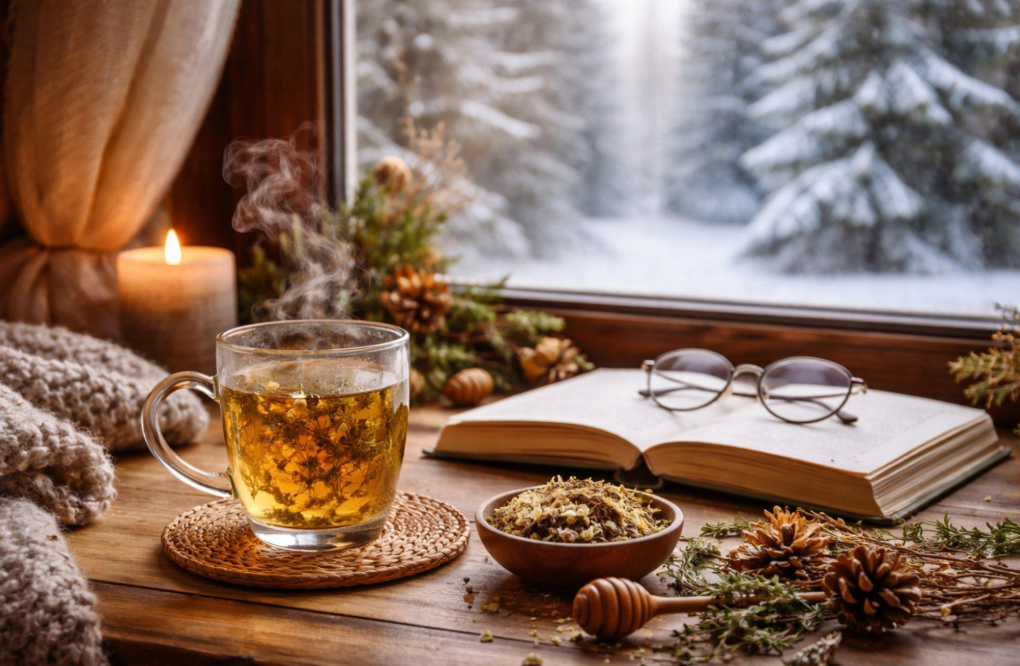
A calming evening routine might include reading, listening to relaxing music or enjoying a warm, caffeine-free herbal tea.
The aim is to create a routine that helps you unwind and gives sleep the priority it deserves.


Staying Active During Colder Weather
When the weather is cold, wet and unpredictable, maintaining an exercise routine can become challenging.
However, physical activity remains an important part of a balanced lifestyle.
You do not necessarily need an expensive gym membership or complicated exercise programme to remain active.
Consider simple alternatives:
-
Take a brisk walk when the weather allows.
-
Try indoor exercises at home.
-
Practise gentle stretching.
-
Explore yoga or other suitable movement activities.
-
Use the stairs instead of the lift where practical.
-
Make movement part of your everyday routine.
The most important thing is consistency.
Choose activities that you enjoy and that suit your current fitness level. If you have an existing health condition or concerns about exercising, seek appropriate professional advice before starting a new routine.
Herbal Wellness: Exploring Traditional Herbs and Their Uses
Herbal wellness has a long history, with different plants traditionally used in various cultures and preparations.
Today, many people remain interested in learning more about herbs, their properties and how they may fit into a broader approach to wellbeing.
Some commonly discussed herbs include:
Echinacea
Echinacea is a group of flowering plants that has a long history of traditional use, particularly in preparations associated with seasonal wellness. Scientific evidence regarding its effectiveness for preventing or treating colds remains uncertain.
Ginger
Ginger is widely used in cooking and traditional preparations. It is valued for its distinctive flavour and is commonly enjoyed in teas and warm drinks.
Peppermint
Peppermint is frequently used in herbal teas and traditional preparations, particularly in discussions about digestive comfort.
Chamomile
Chamomile is commonly enjoyed as a caffeine-free herbal tea and is often included in relaxing evening routines.
Elderberry
Elderberry has a history of traditional use in different herbal preparations. However, evidence supporting specific health benefits remains limited.
An important consideration when exploring herbal products is that natural does not automatically mean suitable for everyone.
Certain herbs can interact with medicines or may not be appropriate during pregnancy, breastfeeding or for people with particular health conditions.
This is where informed guidance and an individual approach become important.
Hydration: Why It Still Matters in Winter
During summer, remembering to drink water can feel more natural because of warmer temperatures. In winter, however, people sometimes pay less attention to their fluid intake.
Hydration remains important throughout the year.
Water supports many normal bodily functions, including temperature regulation, digestion and the transportation of nutrients.
If you struggle to drink enough water during colder months, consider:
-
Keeping a water bottle nearby.
-
Drinking water regularly throughout the day.
-
Enjoying warm water with lemon.
-
Including soups as part of your meals.
-
Drinking caffeine-free herbal teas.
Remember that individual fluid requirements vary depending on factors such as activity levels, age, diet and health circumstances.

Supporting Your Family's Winter Wellness Routines
Winter wellness is not only about individual habits. It can also be an opportunity for families to establish routines that encourage healthier everyday choices.
Simple family activities can make a difference:
-
Prepare nutritious meals together.
-
Encourage children to enjoy a variety of fruits and vegetables.
-
Make time for outdoor activities when conditions are suitable.
-
Establish regular bedtime routines.
-
Encourage good handwashing habits.
-
Keep living spaces comfortable and appropriately ventilated.
It is also important to stay informed about seasonal vaccinations.
For families with young children, older relatives or vulnerable household members, following appropriate public health advice is an important part of winter planning.
When to Seek Professional Advice
Although everyday lifestyle choices can contribute to general wellbeing, they are not substitutes for appropriate medical care.
If you experience persistent symptoms, feel unusually unwell or have concerns about your health, speak with your GP or another qualified healthcare professional.
Similarly, if you are considering herbal preparations or nutritional supplements, it is important to consider your medical history, existing medication and individual requirements.
Herbal products and supplements should be approached responsibly and should not replace prescribed medication or recommended medical treatment.

A Holistic Approach to Winter Wellness
Holistic wellness is about looking at the bigger picture.
It recognises that nutrition, physical activity, sleep, stress management and everyday lifestyle choices all contribute to our overall wellbeing.
There is no single product, supplement or routine that works for everyone.
Instead, a balanced approach involves understanding your individual needs, making informed decisions and developing habits that you can maintain throughout the year.
Winter does not have to mean putting your wellbeing on hold. It can be an opportunity to slow down, reassess your routines and give yourself more attention.
Knowledge Is Part of Your Wellness Journey
Taking care of your wellbeing starts with understanding it.
Learning more about nutrition, herbal wellness, vitamins, minerals and healthy lifestyle choices can help you make more informed decisions about your everyday wellbeing.
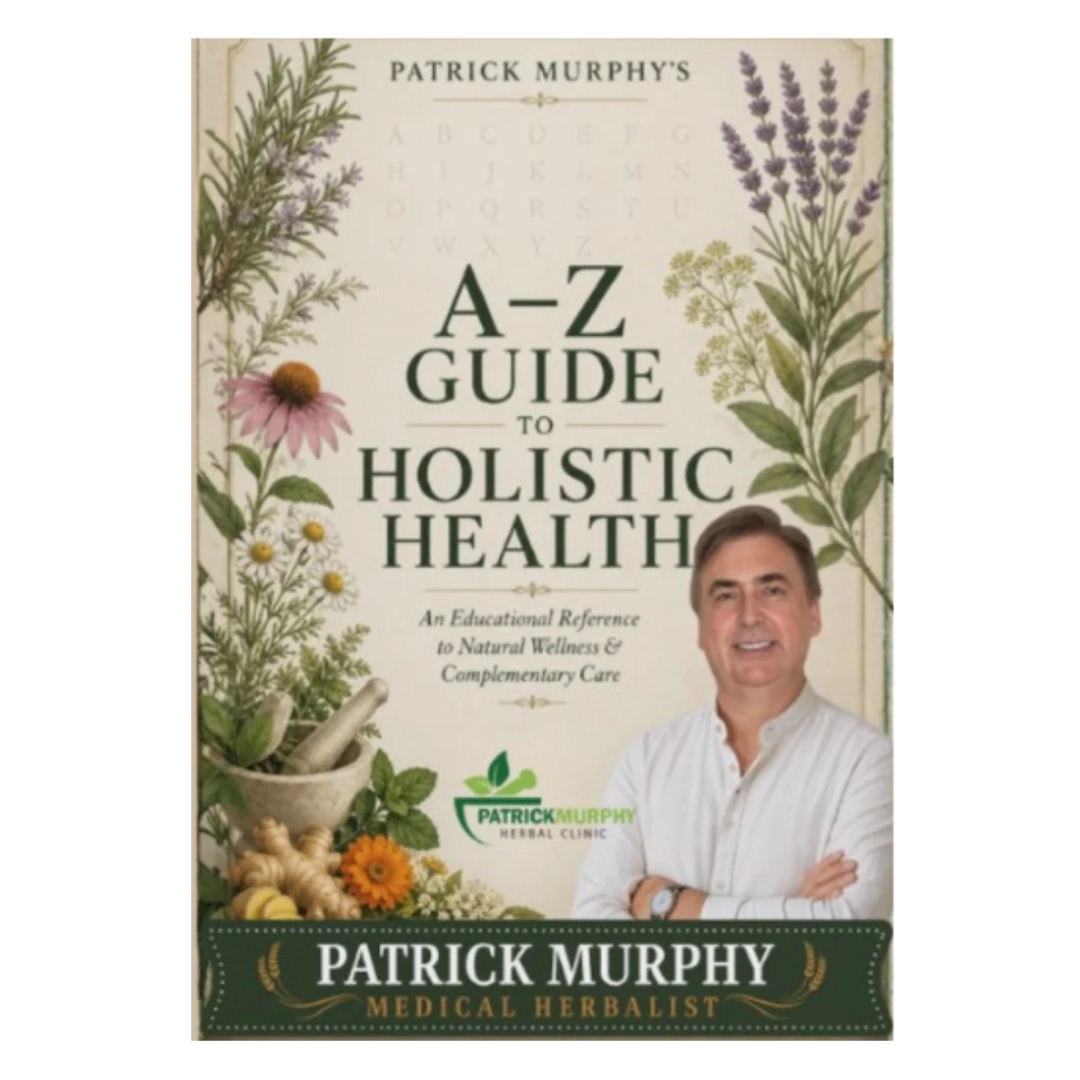
If you are interested in exploring these topics further, Patrick Murphy's A–Z Guide to Holistic Health is a wonderful resource to add to your personal wellness library.
Written to introduce readers to the world of holistic health, the book offers an opportunity to expand your knowledge and explore different aspects of natural wellness.
Whether you are beginning your journey into holistic health or simply looking to learn more, having a useful reference guide can be a valuable addition to your reading collection.
Make knowledge part of your investment in wellbeing.
Discover Patrick Murphy's A–Z Guide to Holistic Health.
Available from Patrick Murphy Herbal Clinic:
-
Printed book: €49.99
-
Digital edition: €19.99
Discover More About Herbal Wellness at Patrick Murphy Herbal Clinic
At Patrick Murphy Herbal Clinic, we believe that knowledge and an individual approach are important when exploring herbal wellness.
Patrick Murphy offers personalised herbal consultations, providing an opportunity to discuss your individual wellness interests and explore suitable options.
Whether you are interested in learning more about herbal products, nutritional supplements or taking a more holistic approach to everyday wellbeing, gaining reliable information is a valuable place to start.
Make this winter an opportunity to invest in knowledge, balance and your everyday wellbeing.
Explore our range of wellness products and discover more about Patrick Murphy Herbal Clinic.
Patrick Murphy Herbal Clinic – Your Home for Natural Wellness.
Contact us:
Website: www.patrickmurphyclinic.com
Email: info@patrickmurphyclinic.com
Telephone: +353 93 27033
Consultations available in Tuam, Galway.


Disclaimer: This article is intended for general educational and informational purposes only. It does not constitute medical advice, diagnosis or treatment. Herbal products and food supplements are not substitutes for a balanced diet, prescribed medication or appropriate medical care. Always seek advice from a qualified healthcare professional regarding individual health concerns and supplement suitability.